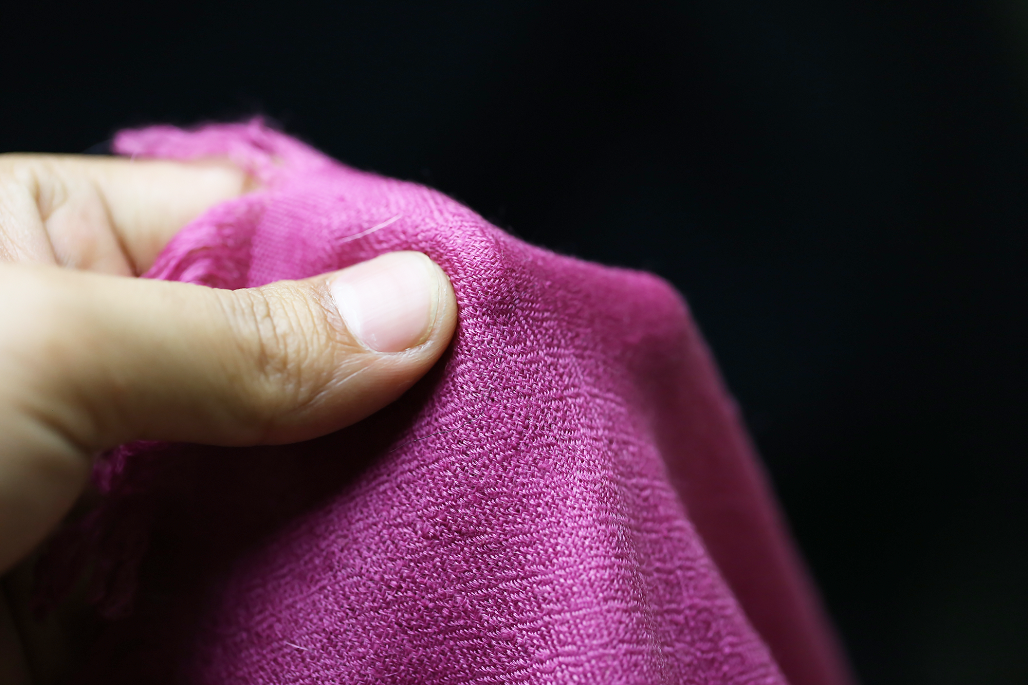
Pashmina shawls are synonymous with luxury, craftsmanship, and timeless elegance. Known for their softness, warmth, and lightweight texture, Pashmina shawls have been treasured for centuries. However, due to their high value and increasing demand, the market is flooded with fake or blended products sold as pure Pashmina.
If you’re planning to invest in a quality Pashmina shawl, it’s essential to know how to identify authenticity. This guide will help you understand how to check Pashmina quality and avoid counterfeit shawls while shopping.
What Is Pashmina and Why Is It So Valuable?
Pashmina is a fine type of cashmere wool obtained from the undercoat of Changthangi goats found in the Himalayan regions of Ladakh and Kashmir. The fibers are extremely fine, soft, and warm, making pure Pashmina shawls rare and expensive.
A pure Pashmina shawl is usually handwoven by skilled artisans and can take weeks or even months to complete. This craftsmanship, combined with limited raw material, makes Pashmina one of the most luxurious fabrics in the world.
Why Fake Pashmina Shawls Are So Common
With rising global demand, many manufacturers produce shawls using wool blends, viscose, or synthetic fibers and market them as Pashmina. These products look similar but lack the softness, warmth, and durability of authentic Pashmina.
Knowing how to differentiate between real and fake Pashmina is crucial if you want to buy premium quality Pashmina shawls.
Key Tips to Check Pashmina Quality
1. Check the Softness and Feel
One of the easiest ways to identify a quality Pashmina shawl is by touch. Pure Pashmina is extremely soft, smooth, and lightweight. It should feel warm yet breathable and not itchy on the skin.
Fake shawls made from synthetic fibers often feel rough, heavy, or overly shiny.
Tip: Rub the shawl gently on your skin. Authentic Pashmina will feel soft and luxurious without causing irritation.
2. The Ring Test
The ring test is a traditional method to check Pashmina authenticity. Because pure Pashmina fibers are extremely fine, a genuine shawl can easily pass through a small ring.
While this test is not 100% accurate, it is a good indicator of the fineness of the fabric.
3. Check the Weave and Craftsmanship
A pure Pashmina shawl is usually handwoven, which means the weave may not be perfectly uniform. Slight irregularities indicate handcrafted work by artisans.
Machine-made shawls often have very uniform patterns and lack the character of handmade products.
Look closely at:
- Edges and borders
- Embroidery details
- Weave tightness
High-quality Pashmina will show intricate craftsmanship and attention to detail.
4. Burn Test (With Caution)
This is a commonly suggested test but should be done carefully and only on a small hidden thread.
- Pure Pashmina (animal fiber) smells like burnt hair and turns into ash.
- Synthetic fibers smell like plastic and form hard beads.
Since this can damage the shawl, it’s best used only if you’re sure or buying from an unreliable source.
5. Check the Weight
Authentic Pashmina shawls are lightweight yet warm. A large shawl should feel feather-light but still provide insulation.
If the shawl feels too heavy, it may be blended with wool or synthetic fibers.
6. Look for GI Certification
In India, genuine Kashmiri Pashmina products may come with a Geographical Indication (GI) tag. This certification ensures that the shawl is made in Kashmir using traditional methods.
While not all authentic shawls have GI tags, it is a strong indicator of quality and authenticity.
7. Examine the Price
Pure Pashmina is rare and expensive. If a seller is offering a “Pashmina” shawl at a very low price, it is likely blended or fake.
Handwoven Pashmina shawls can cost significantly more due to:
- Limited raw material
- Artisan craftsmanship
- Time-intensive weaving
When you buy premium quality Pashmina shawls, think of it as a long-term investment rather than a bargain purchase.
8. Check the Label and Seller Reputation
Always check the label for material composition. Look for terms like:
- 100% Pashmina
- Pure Cashmere (Changthangi)
Avoid vague labels like “Pashmina blend” if you are looking for authentic quality.
Buying from reputed brands, heritage stores, or certified sellers reduces the risk of counterfeit products.
Common Myths About Pashmina Quality
Myth 1: All Soft Shawls Are Pashmina
Many synthetic shawls are made to feel soft, but softness alone does not guarantee authenticity. True Pashmina has a unique warmth and texture that cannot be replicated completely.
Myth 2: All Pashmina Comes from Kashmir
While Kashmir is famous for weaving Pashmina, the raw fiber comes from Ladakh and nearby regions. The weaving craftsmanship is what gives Kashmiri Pashmina its distinct identity.
Myth 3: Expensive Means Pure
Some sellers charge premium prices for blended shawls. Always verify quality using multiple checks, not just price.
How to Maintain and Care for Your Pashmina Shawl
Once you invest in a quality Pashmina shawl, proper care is essential to maintain its beauty and longevity.
Care Tips:
- Dry clean or hand wash with mild detergent
- Avoid wringing or twisting the fabric
- Store in a breathable cotton bag
- Keep away from moths using natural repellents like cedar or neem
Proper care can help your Pashmina shawl last for decades.
Why Investing in a Pure Pashmina Shawl Is Worth It
A pure Pashmina shawl is more than just a fashion accessory-it’s a piece of heritage. These shawls are known for their durability, timeless appeal, and luxurious comfort.
When you buy premium quality Pashmina shawls, you are also supporting traditional artisans and preserving centuries-old craftsmanship.
Final Thoughts
Identifying a genuine Pashmina shawl requires attention to detail, from touch and weave to certification and price. With the growing market of counterfeit products, knowing how to check Pashmina quality is essential before making a purchase.
By following these tips, you can confidently invest in a pure Pashmina shawl that offers unmatched softness, warmth, and elegance for years to come.